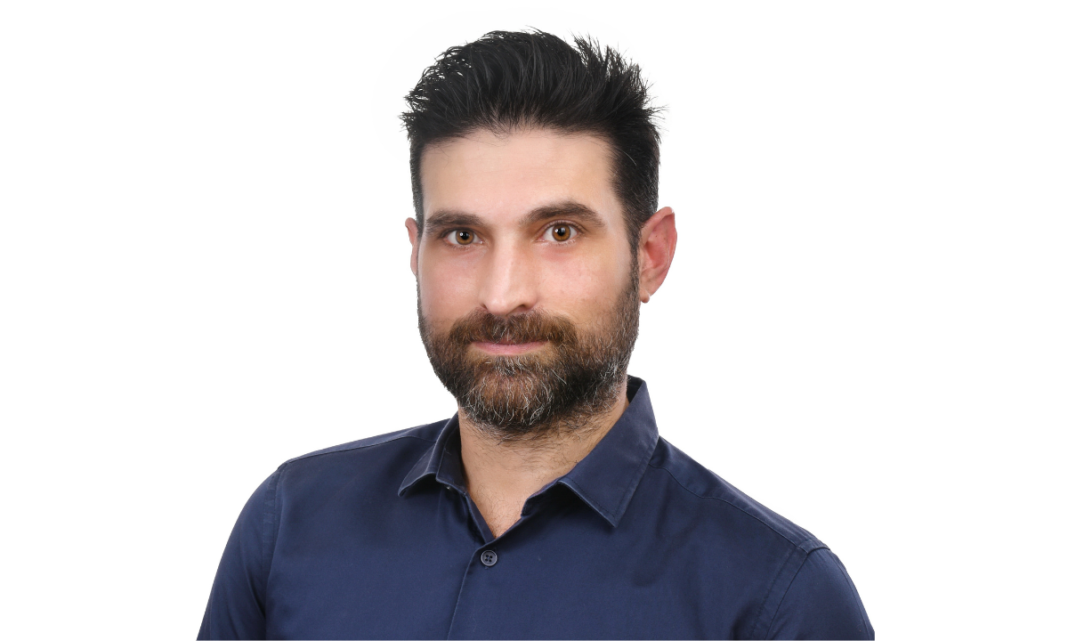
In this edition of CISO Diaries, we sit down with David Azoulay to explore how a modern CISO navigates the intersection of security, business growth, and operational resilience. From guiding enterprise risk management across global systems to embedding security into product and engineering workflows, David shares how he balances compliance, threat anticipation, and practical decision-making, ensuring security serves as an enabler rather than a barrier.
About the Interviewee: David Azoulay
David Azoulay is a seasoned Chief Information Security Officer with over a decade of experience guiding global cybersecurity strategy, risk management, and operational resilience across multinational organizations. Currently serving as CISO at Operative, he leads global security operations, risk, and compliance teams while embedding security practices across engineering, product, IT, and cloud operations. Known for translating complex cybersecurity risks into actionable strategies for executives and boards, David focuses on balancing regulatory compliance, proactive risk mitigation, and business enablement to ensure organizations grow securely and resiliently in an evolving threat landscape.
1. How do you usually explain what you do to someone outside of cybersecurity?
I explain that my role is to reduce business risk before it turns into revenue loss, customer impact, or reputational damage. Security is not about tools; it’s about ensuring the company can operate, grow, and recover under adverse conditions.
2. What does a “routine” workday look like for you?
There is no true routine.
My time is divided between incident readiness, executive decision-making, vendor and risk governance, and ensuring we have real visibility into our environment.
When things appear “quiet,” I validate that this reflects visibility, not blind spots.
3. What part of your role takes the most mental energy right now?
Driving clear ownership and timely decisions.
Most security failures are not technical; they stem from unclear accountability and delayed risk decisions.
4. What’s one security habit or routine you personally never skip?
Verification.
I regularly challenge assumptions and validate that what we believe to be true is supported by evidence and testing.
5. What does your own personal security setup look like?
A password manager with unique credentials, hardware-backed MFA, encrypted devices, reliable backups, and minimal reliance on default configurations.
I assume compromise is possible and design accordingly.
6. What book, podcast, or resource has influenced how you think about leadership or security?
The Art of War.
It reinforces that security is fundamentally about strategy, positioning, and understanding the adversary, not reacting after the fact.
7. What’s a lesson you learned the hard way in your career?
Security cannot depend on goodwill alone.
Authority, escalation paths, and ownership must be clearly defined before an incident occurs, not negotiated during one.
8. What keeps you up at night right now, from a security perspective?
Hidden exposure created by legacy systems, access, or vendor decisions that no longer have clear ownership but remain highly attractive to attackers.
9. How do you measure whether your security program is actually working?
By outcomes rather than activity.
Faster detection and containment, fewer repeat incidents, declining accepted risk, successful red team exercises that validate real-world resilience, and improved executive decision-making under pressure.
10. What advice would you give to someone stepping into their first CISO role today?
Establish ownership of the risk narrative immediately.
If you do not clearly define acceptable risk, the organization will do it implicitly, often after an incident.
11. What do you think will matter less in security five to ten years from now?
Manual, reactive security work and checkbox-driven compliance.
Programs that rely on human reaction speed rather than automation and control will not scale.
12. Looking ahead 10 years, what will security teams spend most of their time on?
Governing autonomous systems, ensuring AI decision integrity, and enforcing boundaries on systems that act faster than humans can directly supervise.
Security will increasingly focus on controlling intent, not just detecting incidents.