
What happened
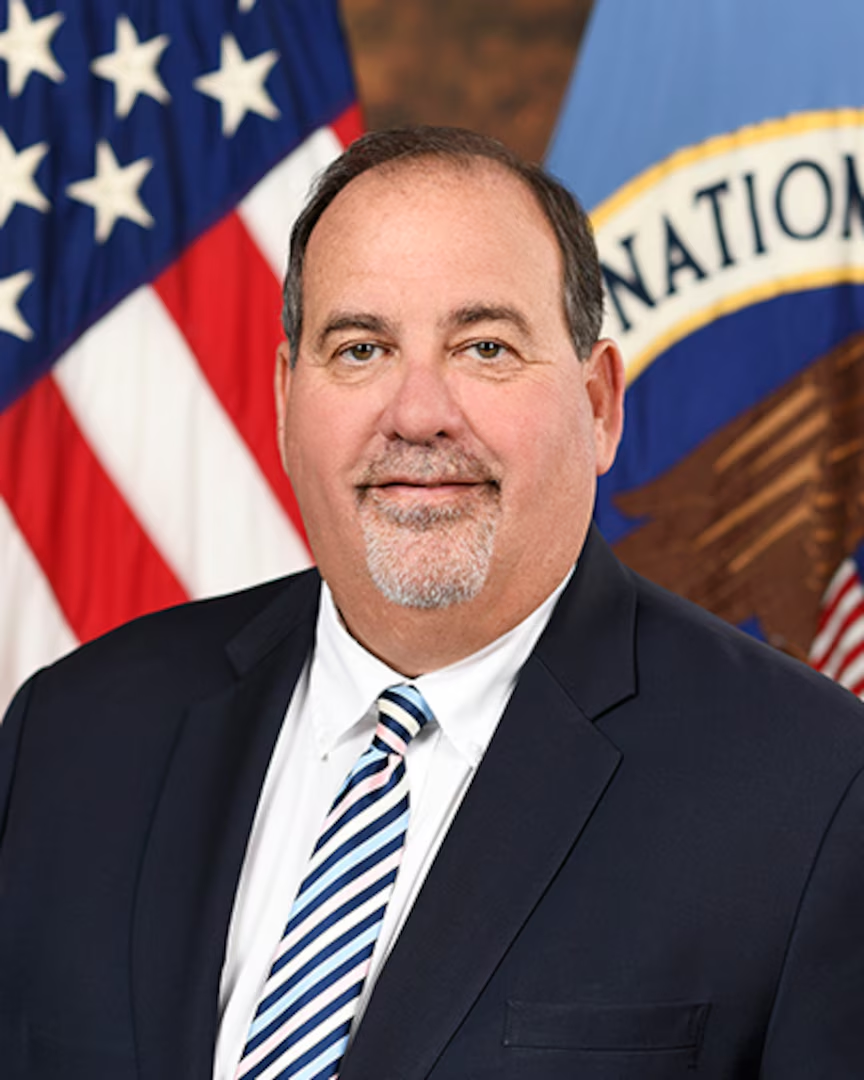
Timothy Kosiba Named NSA Deputy Director as the National Security Agency (NSA) appointed veteran intelligence community leader Timothy Kosiba as its 21st Deputy Director. With over three decades of federal service experience, Kosiba assumes one of the agency’s most senior civilian leadership positions. The announcement appears in the NSA’s industry personnel moves, which also highlighted other executive appointments in the cybersecurity sector. This leadership change reflects ongoing shifts within U.S. national cybersecurity leadership and the agency’s strategic focus on intelligence and security operations.
Who is affected
The NSA workforce, U.S. national cybersecurity programs, and interagency partners are affected by this senior leadership appointment, shaping strategic priorities and operational focus.
Why CISOs should care
Senior leadership changes at the NSA can influence national cybersecurity policy, threat intelligence sharing, and public–private engagement frameworks that impact enterprise security strategy and national defense collaboration.
3 practical actions
- Track policy shifts: Monitor for any changes in national cybersecurity directives following leadership transitions.
- Engage threat intelligence: Maintain active engagement with government cyber threat intelligence channels influenced by NSA leadership priorities.
- Align strategy with national goals: Ensure enterprise security strategies consider evolving national cybersecurity emphasis areas.

John Kevin Hao is a news and feature writer covering cybersecurity, technology, and business targeted for professional audiences.