
What happened
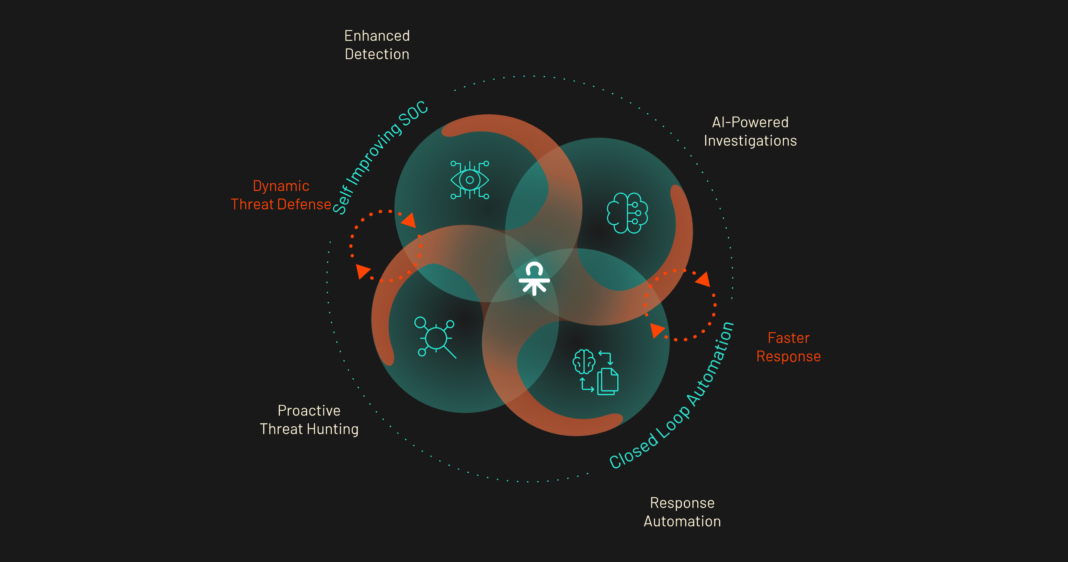
AiStrike raises $7M seed funding to scale AI-native preemptive cyber defense was announced on January 21, 2026, when AiStrike, a cybersecurity startup focused on artificial intelligence-native security operations, secured $7 million in Seed funding led by Blumberg Capital, with participation from Runtime Ventures, Oregon Venture Fund, and strategic angel investors. The funding is earmarked to expand AiStrike’s agentic AI platform, which shifts cybersecurity operations from traditional reactive alert processing to preemptive threat exposure analysis and response. AiStrike’s platform unifies threat intelligence, exposure analysis, detection engineering, investigation, and automated response into a continuous defense model. According to disclosures, the solution reduces false positives, broadens detection coverage, and shortens investigation times by continuously adapting to evolving threats rather than relying on static, reaction-oriented alerts. AiStrike’s approach targets reducing risk upstream by anticipating likely attack paths instead of solely reacting to alerts.
Who is affected
Enterprises and government organizations deploying or considering AI-augmented security operations are directly affected, as AiStrike’s technology and funding signal broader adoption of preemptive, AI-driven defense. Security operations teams, SOCs, and managed detection and response (MDR) vendors should assess impacts on tooling and workflow integration.
Why CISOs should care
The emergence of agentic AI platforms like AiStrike’s represents a shift from reactive security monitoring toward preemptive defense models that continuously assess exposure and act on risk before successful compromise. CISOs should monitor how this model may influence operational priorities, tool consolidation, automation strategies, and vendor landscapes in security operations.
3 practical actions
-
Evaluate preemptive defense suitability: Assess your security operations strategy to determine where AI-driven exposure analysis and prevention could complement existing detection and response workflows.
-
Integrate continuous exposure analysis: Pilot agentic AI approaches that continuously map organizational threat surfaces and anticipated attack vectors to strengthen upstream defenses.
-
Update detection and response metrics: Adjust SOC KPIs to incorporate measures of risk reduction and false positive minimization in addition to traditional alert throughput metrics.

John Kevin Hao is a news and feature writer covering cybersecurity, technology, and business targeted for professional audiences.