
What happened
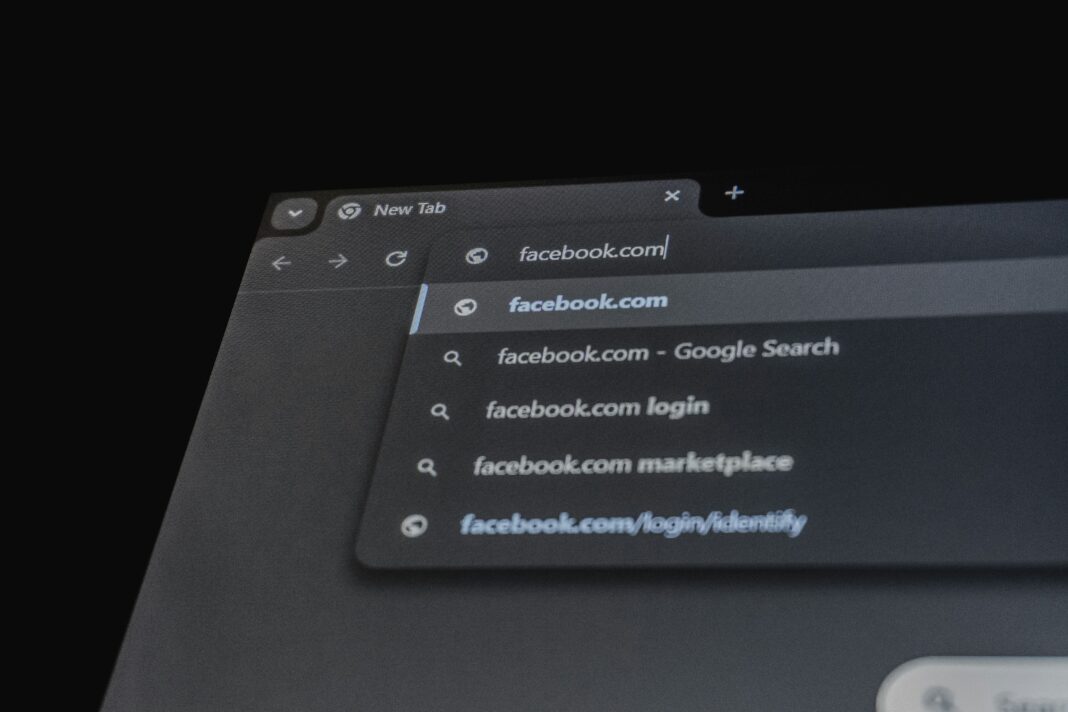
‘Stanley’ malware toolkit enables phishing via website spoofing after security analysts observed a new malware-as-a-service (MaaS) offering on underground forums in January 2026 that helps threat actors deliver phishing pages while keeping the browser address bar unmodified. The toolkit, marketed for $2,000 – $6,000, can generate malicious browser extensions purportedly capable of avoiding Google Chrome Web Store validation and serving spoofed login pages directly within legitimate browsing sessions. According to Varonis researchers, the Stanley toolkit effectively bypasses normal visual cues of spoofed URLs by concealing malicious pages behind expected domain presentations, increasing the likelihood that victims will enter credentials or sensitive data. The approach enhances traditional phishing attacks by combining extension-based injection with URL spoofing techniques, presenting a technically concealed attack vector for credential theft and session capture.
Who is affected
Internet users, employees, and organizations relying on web authentication and browser extensions are directly affected, particularly where enterprise identity portals or cloud services are accessed via browser sessions. Indirect exposure includes enterprise credentials and session tokens harvested through spoofed pages powered by Stanley-generated extensions.
Why CISOs should care
Browser extension abuse combined with sophisticated website spoofing can circumvent visual inspection and traditional email filtering, increasing credential compromise risk. Attackers can leverage this method to gain persistent access, escalate privileges, and bypass multi-factor protections anchored solely on UI cues.
3 practical actions
-
Audit browser extension policies: Restrict installation of unvetted extensions and enforce enterprise whitelisting for approved add-ons.
-
Enhance web threat detection: Deploy runtime browser protection and anomaly detection for spoofed login submission behavior.
-
Educate users on UI deception: Provide training on visual spoofing cues and verify legitimate login flows, especially for cloud and identity portals.

John Kevin Hao is a news and feature writer covering cybersecurity, technology, and business targeted for professional audiences.