Security leadership is often measured by metrics such as compliance milestones, threat detection speed, and incident response outcomes. But behind those metrics are leaders navigating constant trade-offs between innovation, growth, and risk. CISO Diaries explores that reality by spotlighting how today’s security executives operate beyond policies and playbooks. The series dives into how CISOs structure their days, make decisions under pressure, build trust across organizations, and create security programs that support business momentum rather than slow it down.
By highlighting routines, habits, lessons learned, and personal philosophies, CISO Diaries offers a closer look at the human and strategic dimensions of cybersecurity leadership. These conversations reveal how modern CISOs are redefining security as a business enabler, helping organizations scale, innovate, and build lasting customer trust.
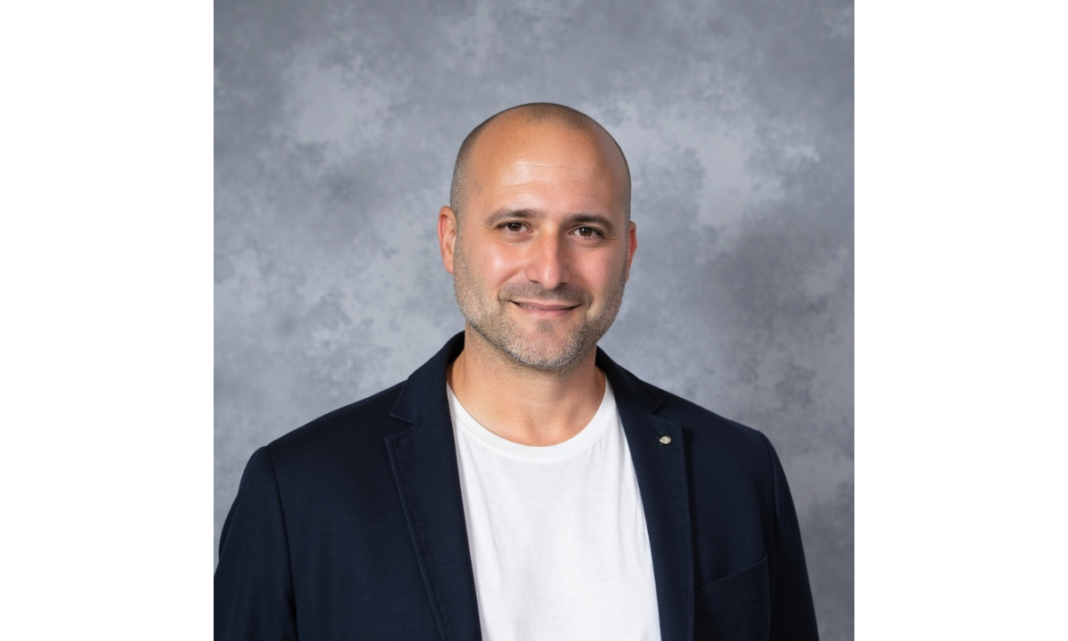
About the Interviewee: Barak Blima
Barak Blima is a cybersecurity executive with more than a decade of leadership experience shaping enterprise security strategy, strengthening customer trust, and reducing global risk across SaaS, technology, and government environments. He currently serves as Chief Information Security Officer and Cybersecurity Director at CHEQ, where he leads global security strategy, secure SDLC initiatives, cloud governance, and enterprise risk management programs.
Recognized as one of Israel’s Top 10 CISOs and named a CISO to Watch by CISO Whisperer, Barak is known for aligning security initiatives with measurable business outcomes. His work spans multi-cloud security, DevSecOps, AI security governance, and complex compliance frameworks, including ISO 27001, SOC 2, GDPR, HIPAA, CCPA, and FedRAMP. Through close collaboration with executive leadership, customers, auditors, and global teams, he focuses on transforming security into a strategic growth driver that accelerates sales cycles, strengthens resilience, and enables innovation at scale.
How do you usually explain what you do to someone outside of cybersecurity?
I usually say I help the company move fast without breaking trust. My job is to make sure growth, innovation, and security can actually coexist and that customers don’t need to worry about what’s happening behind the scenes. If I’m doing my job well, most people never notice.
What does a “routine” workday look like for you, if such a thing exists?
There’s no real routine, which is part of the fun and part of the challenge. My days usually bounce between strategic conversations, risk decisions, design reviews, and translating security concerns into business language. Somewhere in between, there’s always at least one surprise.
What part of your role takes the most mental energy right now?
Prioritization. There are always more risks, tools, and ideas than time or people. Deciding what not to do and being comfortable with that is often harder than solving the technical problems.
What’s one security habit or routine you personally never skip? (Work or personal.)
Assuming I’m wrong. Whether it’s an architecture decision or a gut feeling about risk, I try to actively challenge my own assumptions. Security failures usually start where curiosity stops.
What does your own personal security setup look like? (Password manager, MFA, backups, devices, at a high level.)
I keep my personal security intentionally aligned with how modern businesses actually operate: cloud-first, identity-centric, and resilient by design. I try to practice the same principle I push at work: reduce friction, automate where possible, and make the secure choice the easiest one. Security should enable speed, not slow it down.
What book, podcast, or resource has influenced how you think about leadership or security?
The Five Dysfunctions of a Team had a big impact on how I think about security leadership. Most security problems aren’t really technical; they’re about trust, communication, and incentives.
What’s a lesson you learned the hard way in your career?
Perfect security that blocks the business will eventually be bypassed. If security doesn’t understand how the business actually operates, the business will route around it, usually in much riskier ways.
What keeps you up at night right now, from a security perspective?
The growing gap between how fast companies adopt new technology, especially AI and SaaS, and how slowly risk ownership adapts. Tools are easy to buy, accountability is harder to scale.
How do you measure whether your security program is actually working?
By outcomes, not checklists. Fewer surprises, faster response times, clearer ownership, and better decision-making under pressure. If security helps the company make confident decisions rather than just saying “no,” it’s working.
What advice would you give to someone stepping into their first CISO role today?
Learn the business before you try to secure it. Your credibility won’t come from how much you know about threats; it will come from how well you understand priorities, trade-offs, and people.
What do you think will matter less in security five to ten years from now?
Pure tool accumulation. Buying another product won’t fix broken processes or unclear ownership. Security teams will win more by simplifying decisions than by stacking tools.
Looking ahead 10 years, what do you believe security teams will spend most of their time on that they don’t today?
Governance of automation and AI-driven decisions. Not just protecting systems, but validating that automated actions are safe, explainable, and aligned with business intent. Security will spend more time shaping decisions than reacting to incidents.