
What happened
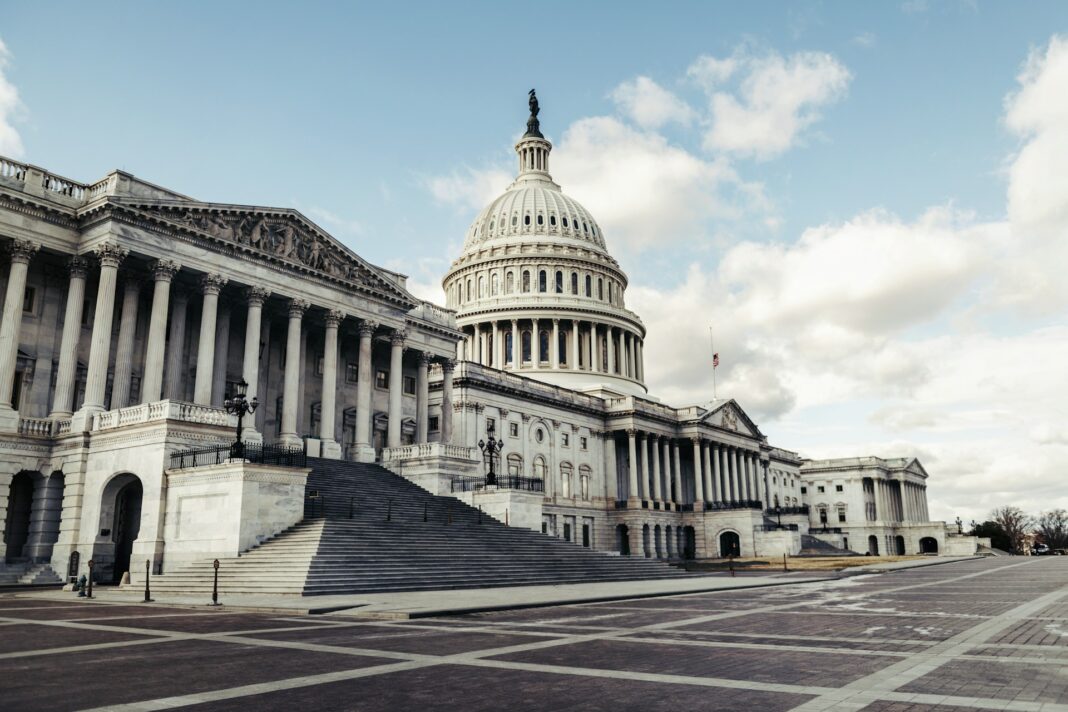
A group of about 50 former national security officials urged Congress to approve a clean renewal of Section 702 of the Foreign Intelligence Surveillance Act before the authority expires on April 20, 2026. The officials sent a letter on Tuesday warning that delays could put national security at risk and arguing that the surveillance authority should not be tied to unrelated policy disputes. The provision allows the National Security Agency to intercept communications of foreign espionage or terrorism suspects when those communications pass through U.S. telecom and internet companies. The letter comes as lawmakers prepare to return from recess and consider an 18-month extension next week. The signatories include former senior intelligence and law enforcement officials, among them former Director of National Intelligence James Clapper and former FBI Director Christopher Wray.
Who is affected
The direct impact falls on U.S. lawmakers, the intelligence community, and agencies that rely on Section 702 for foreign intelligence collection. The broader implications also reach national security operations tied to surveillance of foreign espionage and terrorism suspects whose communications move through U.S. service providers.
Why CISOs should care
This matters because Section 702 is framed by former intelligence and law enforcement officials as a key national security tool, and any lapse could affect how the U.S. government collects intelligence on foreign threats. For CISOs, the issue is relevant because shifts in national surveillance authorities can influence the wider threat, policy, and intelligence environment surrounding cyber defense.
3 practical actions
- Track federal policy changes closely: Monitor how the reauthorization debate develops because the outcome could affect the broader U.S. intelligence and cyber policy landscape.
- Watch for spillover from unrelated policy fights: Be aware that major security authorities can become entangled in broader legislative battles that delay decision-making.
- Factor national security shifts into risk context: Keep leadership informed when changes in intelligence authorities may affect the wider operating environment for cyber threats and government response.
For more news about federal cyber policy and national security developments, click Cybersecurity to read more.

John Kevin Hao is a news and feature writer covering cybersecurity, technology, and business targeted for professional audiences.