
What happened
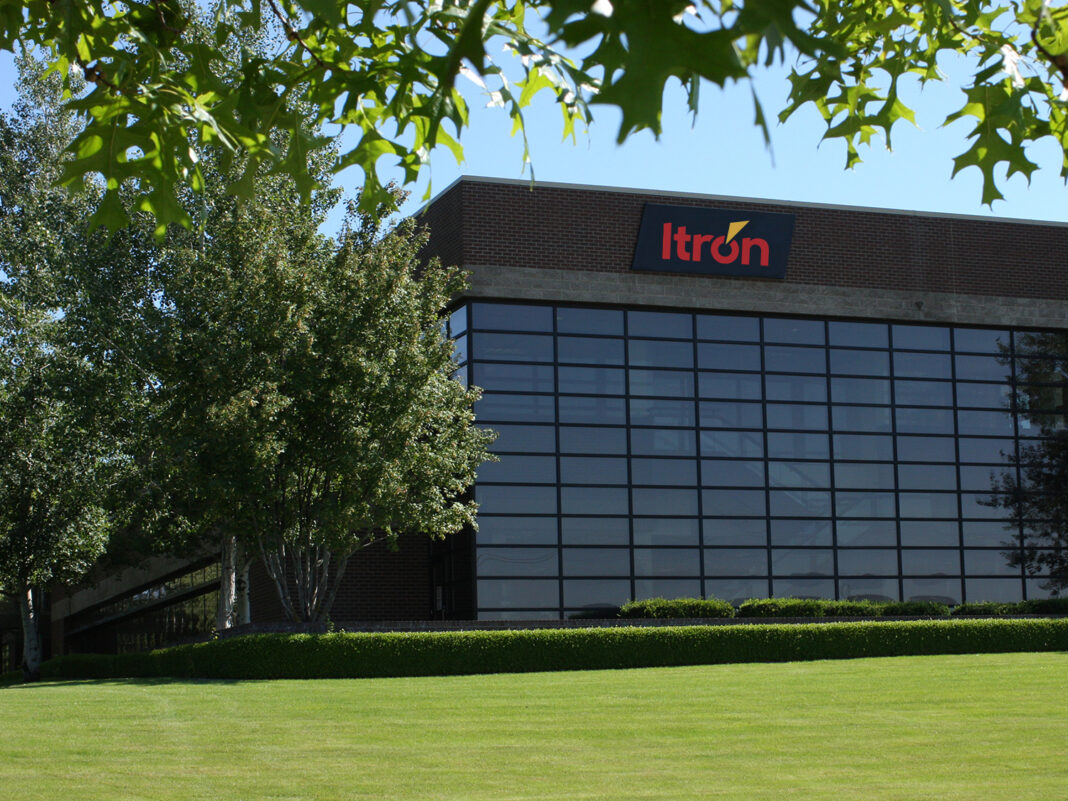
Itron, Inc., a Washington-based utility technology company, disclosed on April 26, 2026 that an unauthorized third party gained access to certain of its internal systems on April 13. The company filed an 8-K with the SEC, activated its cybersecurity response plan, notified law enforcement, and engaged external advisors to support investigation and containment.
Itron stated that the unauthorized activity has been blocked and that no follow-up activity has been observed. The company reported no material disruption to business operations and does not currently expect subsequent operational impact. It also noted that the unauthorized activity did not extend to customers, though the investigation into the full scope and impact remains ongoing. Itron expects a significant portion of incident-related costs to be covered by insurance. No ransomware group has claimed responsibility for the attack.
Itron serves 7,700 customers across 100 countries, manages 112 million endpoints, and reported $2.4 billion in revenue in 2025. Its technology underpins energy, water, and gas infrastructure management.
Who is affected
Itron has stated that customer systems were not affected, but that determination is based on an investigation that is still in progress. Given that Itron’s platform manages 112 million endpoints across electricity grids, water distribution, and gas networks in 100 countries, the potential downstream exposure if the scope of the breach widens is significant. Utility operators and critical infrastructure providers using Itron’s technology should monitor for further disclosures as the investigation develops.
Why CISOs should care
A breach of internal IT systems at a company managing critical infrastructure endpoints at this scale warrants attention even when the initial disclosure describes limited impact. The investigation is ongoing, the full scope is unconfirmed, and the statement that customer systems were unaffected is a current assessment rather than a concluded finding.
The SEC 8-K filing also signals that Itron’s leadership assessed this incident as material enough to require public disclosure under current cybersecurity reporting requirements, which sets a threshold that security leaders in publicly traded companies should note when evaluating their own disclosure obligations.
3 practical actions
- Monitor Itron’s subsequent disclosures and apply any vendor-issued guidance promptly: The investigation is still active and the scope may expand. Organizations running Itron technology should establish a direct line to Itron’s customer security communications and treat any follow-up guidance as a priority action item.
- Review network segmentation between Itron-managed endpoints and internal operational systems: Even where vendor breaches are assessed as not extending to customers, the connection between third-party technology providers and OT environments warrants a review of how Itron systems are isolated from broader operational infrastructure.
- Assess your SEC cybersecurity disclosure readiness using this filing as a reference point: Itron’s 8-K filing demonstrates what material incident disclosure looks like in practice under current SEC rules. Security leaders at public companies should review their own disclosure thresholds, escalation procedures, and legal coordination processes to ensure they can meet filing timelines if a comparable incident occurs.
Also in the news today:
- China-Linked APT GopherWhisper Abuses Legitimate Services in Government Attacks
- Surveillance Vendors Exploiting Telecom Infrastructure to Track Targets’ Locations
- Nessus Agent Vulnerability on Windows Enables Arbitrary Code Execution with SYSTEM Privileges
- Litecoin Zero-Day Vulnerability Exploited in DoS Attack, Disrupts Major Mining Pools
- CISA Warns of Multiple SimpleHelp Vulnerabilities Exploited in Attacks
- 153,000 Electricity and Gas Contracts Exposed in Breach Linked to Iberdrola Partner
- Russian-Linked Campaign Compromises Signal Accounts of Senior German Officials

John Kevin Hao is a news and feature writer covering cybersecurity, technology, and business targeted for professional audiences.