
What happened
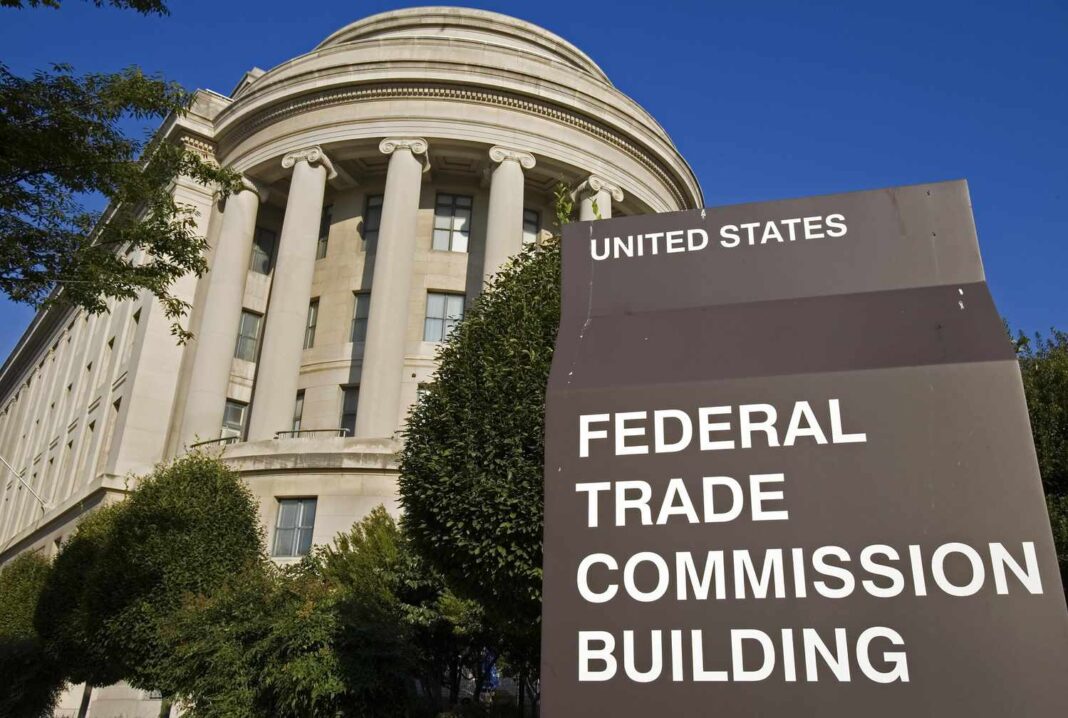
The Federal Trade Commission has reported that Americans lost more than $2.1 billion to social media scams in 2025, an eightfold increase since 2020 and the highest loss figure ever recorded for that contact method. Nearly 30% of Americans who reported losing money to a scam last year said it originated on social media, making it the dominant scam delivery channel across all demographics.
Facebook accounted for the largest share of losses across all age groups except those 80 and over, who were primarily targeted via phone. WhatsApp and Instagram ranked second and third respectively. The FTC noted that reported losses to Facebook scams alone exceeded those from text and email scams combined.
The FTC attributed the growth to structural advantages social media platforms offer scammers: access to billions of users at minimal cost, the ability to exploit publicly shared personal information to tailor targeting, and access to the same advertising and demographic targeting tools used by legitimate businesses. Scammers also exploit compromised accounts to reach victims through trusted contacts.
Meta removed over 159 million scam ads and took down more than 10.9 million accounts linked to criminal scam operations across Facebook and Instagram in 2025. The company has introduced a series of anti-scam tools across its platforms over the past year, including suspicious friend request warnings based on profile signals, advanced scam detection for new contact messages in chats, and WhatsApp alerts when users are added to group chats by unknown contacts. Separately, the FBI’s 2025 Internet Crime Report recorded over 1 million complaints linked to nearly $21 billion in total cybercrime losses, including investment scams, business email compromise, tech support fraud, and data breaches.
Who is affected
All age groups are affected, with the FTC data indicating broad demographic reach across social media platforms. Investment scams and purchase fraud are among the most commonly reported categories, affecting both individual consumers and, by extension, organizations whose employees and customers are targeted through personal social media accounts.
Why CISOs should care
Social media scams at this scale have direct enterprise implications. Employees targeted through personal Facebook, WhatsApp, or Instagram accounts can be socially engineered into actions that affect corporate systems, including credential phishing, fraudulent wire transfers framed as investment opportunities, and business email compromise that begins with a social media relationship. The FTC’s finding that scammers use platform advertising tools to target by age, interests, and shopping habits means that high-value employees can be profiled and targeted with precision using entirely legitimate platform features.
3 practical actions
- Include social media-originated phishing in security awareness training: Standard phishing training focuses on email. The FTC data shows that social media is now a larger fraud vector by reported loss. Train employees to recognize investment pitches, urgent financial requests, and account takeover attempts that originate through Facebook, WhatsApp, and Instagram, including from contacts whose accounts may have been compromised.
- Review corporate social media policies for information exposure risk: The FTC specifically flagged that scammers exploit what users post publicly to refine targeting. Assess whether employees in sensitive roles are sharing organizational information, travel patterns, or financial details on personal social media that could be used to build convincing pretexts for targeted attacks.
- Brief finance and executive teams on social media as a business email compromise precursor: Investment scams and fraudulent wire transfer requests increasingly begin with social media contact rather than email. Ensure that financial approval workflows require verification through established internal channels regardless of how a payment request originates.
Also in the news today:
- Robinhood Account Creation Flaw Abused to Send Phishing Emails
- GlassWorm Malware Attacks Return via 73 OpenVSX Sleeper Extensions
- Alleged Silk Typhoon Hacker Extradited to US for Cyberespionage
- Medtronic Confirms Breach After Hackers Claim 9 Million Records Theft
- Microsoft Confirms Active Exploitation of Windows Shell CVE-2026-32202
- Canada Arrests Three for Operating SMS Blaster Device in Toronto

John Kevin Hao is a news and feature writer covering cybersecurity, technology, and business targeted for professional audiences.