
What happened
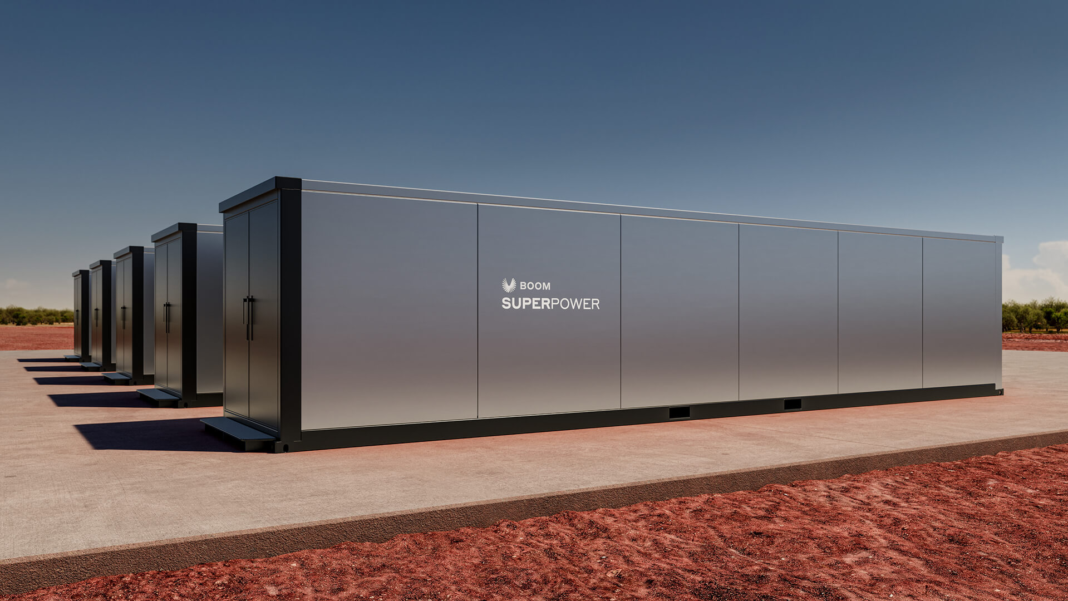
Colorado-based Boom Supersonic closed a $300 million funding round to advance supersonic aviation programs and a new on-site power generation platform for AI data centers. In parallel with the financing, Boom unveiled its new Superpower 42 MW natural gas turbine, derived from its supersonic engine technology and designed to power AI data centers with waterless, high‑temperature performance, with a launch order from Crusoe for 29 units totaling over 1.2 GW of capacity.
Who is affected
Investors in aerospace, renewable energy, and AI infrastructure are positioned to benefit. Data center operators and high-compute enterprises may gain access to new energy supply options, while aviation industry partners continue backing supersonic transport development.
Why CISOs should care
Reliable power for on-premises and colocation data centers is crucial for cybersecurity resilience. New energy generation solutions can improve uptime guarantees and reduce dependency on traditional grids — a critical factor for secure operations in regulated environments.
3 practical actions:
- Review energy risk profile: Evaluate vulnerabilities in data center power sources and contingency plans.
- Consider new power-generation solutions: Integrate innovations into cloud or colocation service agreements.
- Engage risk and continuity teams: Ensure enterprise-wide awareness of energy security strategies.

John Kevin Hao is a news and feature writer covering cybersecurity, technology, and business targeted for professional audiences.