
Security leadership is often framed around policies, audits, and technical defenses, but the real work happens in the decisions, trade-offs, and daily rhythms that keep an organization running safely. CISO Diaries explores this human side of cybersecurity leadership, offering readers a window into the routines, habits, and philosophies of top CISOs around the world. By examining how these leaders balance protection with business priorities, navigate complex risk, and foster resilient teams, the series uncovers insights that go beyond technology to reveal the strategic and operational thinking that drives modern security programs.
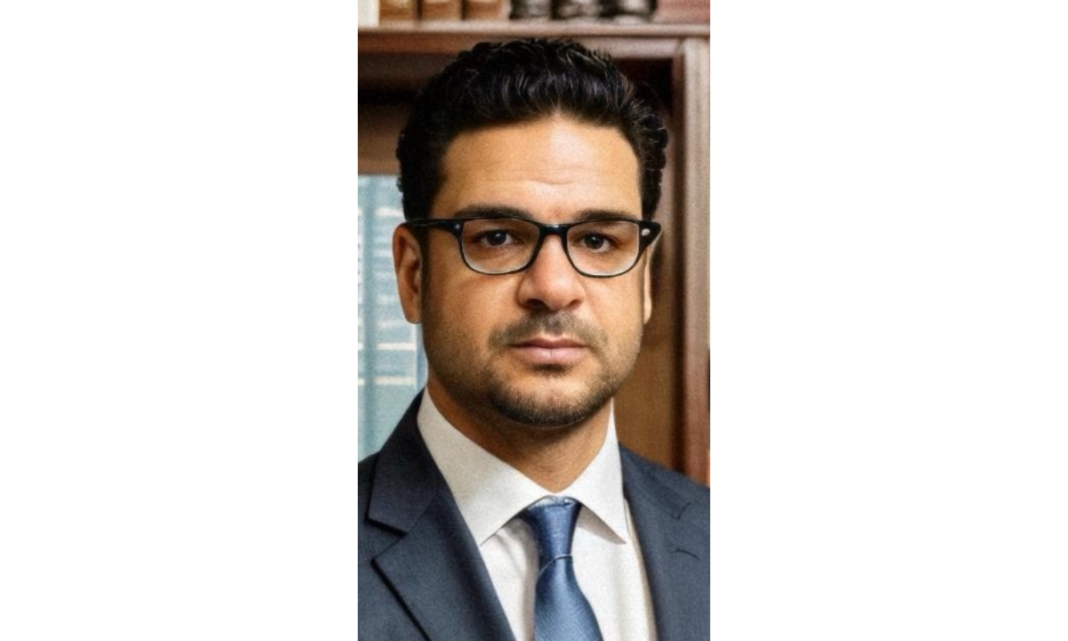
About the Interviewee: Sayed Nasr
Sayed Nasr is a CISO & Cybersecurity Advisor with extensive experience leading enterprise security programs, risk management, and compliance initiatives. He specializes in aligning security strategies with business priorities, building resilient teams, and establishing effective governance and risk frameworks. Known for his pragmatic, people-focused approach, Sayed emphasizes clear communication, risk-informed decision-making, and enabling organizations to operate safely and confidently in complex digital environments.
How do you usually explain what you do to someone outside of cybersecurity?
I usually explain my role as helping organizations operate safely in a digital world. My job is to reduce risk, protect critical information, and ensure that technology can support the business without exposing it to unnecessary threats.
What does a “routine” workday look like for you, if such a thing exists?
There is rarely a truly routine day. My time is typically split between strategic planning, risk discussions with leadership, reviewing security posture and incidents, and working with teams to align security with business priorities.
What part of your role takes the most mental energy right now?
Balancing security requirements with business speed and innovation takes the most mental energy. Ensuring strong protection without slowing the organization down is an ongoing challenge.
What’s one security habit or routine you personally never skip? (Work or personal.)
One security habit I never skip is validating access and identity controls, both professionally and personally. Identity remains the first and most critical security boundary.
What does your own personal security setup look like? (Password manager, MFA, backups, devices, at a high level.)
At a high level, my personal security setup includes using a password manager, enforcing MFA wherever possible, maintaining regular encrypted backups, and keeping a strict separation between personal and work devices.
What book, podcast, or resource has influenced how you think about leadership or security? (Doesn’t have to be technical.)
Resources focused on leadership and decision-making, rather than purely technical materials, have influenced me the most—especially those centered on risk management, accountability, and clear communication.
What’s a lesson you learned the hard way in your career?
One lesson I learned the hard way is that security is as much about people and communication as it is about technology. Even the strongest controls fail if they are not understood or supported by the organization.
What keeps you up at night right now, from a security perspective?
What keeps me up at night from a security perspective is the growing complexity of supply chains and third-party risk, combined with increasingly sophisticated and automated attacks.
How do you measure whether your security program is actually working?
I measure the effectiveness of a security program by looking at measurable risk reduction, incident trends, response effectiveness, and how well security enables business objectives—not just compliance metrics.
What advice would you give to someone stepping into their first CISO role today?
My advice to someone stepping into their first CISO role today is to learn the business first, build strong relationships with leadership, communicate in business terms, and focus on prioritizing risk rather than aiming for perfection.
What do you think will matter less in security five to ten years from now?
In the next five to ten years, purely reactive security approaches and siloed tools without integration will matter far less than they do today.
Looking ahead 10 years, what do you believe security teams will spend most of their time on that they don’t today?
Looking ahead ten years, I believe security teams will spend much more time on risk governance, automation oversight, identity and trust models, and guiding the safe adoption of emerging technologies such as AI.