
What happened
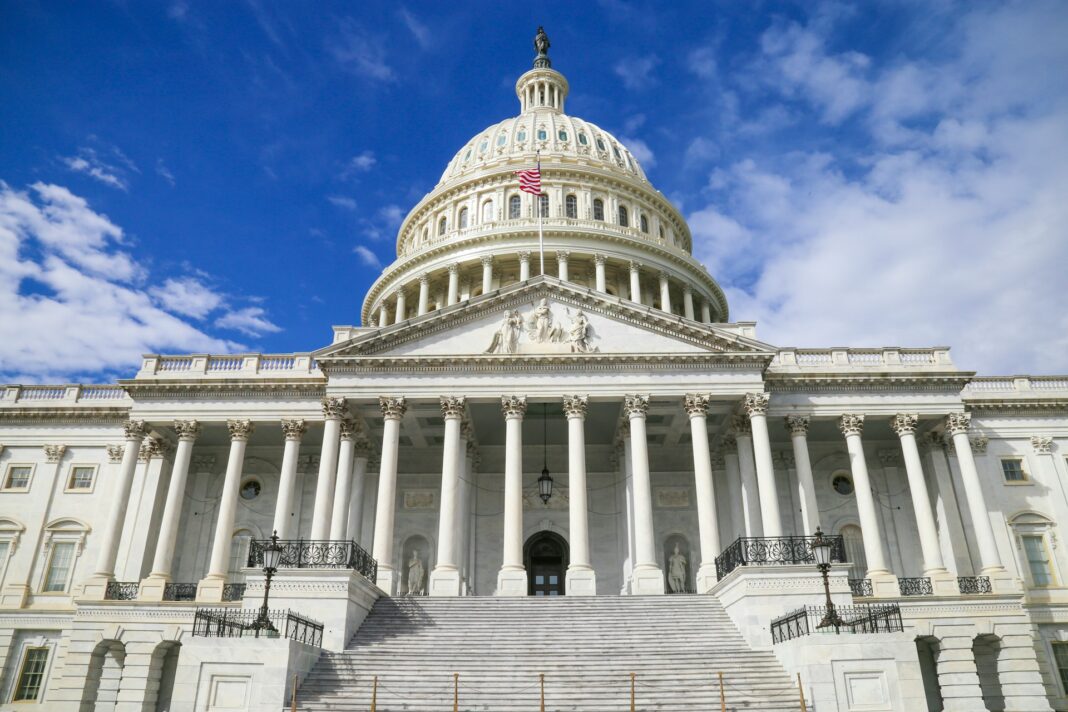
Congress approved a 45-day extension of Section 702 of the Foreign Intelligence Surveillance Act on Thursday, hours before the program was set to lapse, pushing the next deadline to June 12. President Trump is expected to sign the legislation before the midnight deadline.
The path to the extension was complicated. The day prior, the House passed a three-year reauthorization, but the Senate declared it dead on arrival because it included an unrelated provision banning the Federal Reserve from issuing a digital currency. The House then voted 261-111 to approve the short-term extension instead. The Senate passed it by unanimous consent after a deal was reached to declassify a recent Foreign Intelligence Surveillance Court opinion on Section 702 usage.
Section 702 authorizes the collection of communications from foreign intelligence targets but also sweeps up an unknown volume of communications belonging to Americans. The 45-day extension gives lawmakers until mid-June to negotiate a longer-term reauthorization, with the Senate working on its own three-year extension proposal.
Who is affected
Federal intelligence and law enforcement agencies relying on Section 702 authorities for foreign intelligence collection can continue operations without interruption. Organizations navigating compliance frameworks that reference US surveillance law, including those managing EU-US data transfer agreements, face continued uncertainty as the long-term legal framework remains unresolved.
Why CISOs should care
The repeated short-term extensions of Section 702 without long-term resolution leave the legal framework governing US electronic surveillance in a state of ongoing uncertainty. For organizations operating under EU-US data transfer mechanisms, the adequacy determinations underpinning those arrangements are partially dependent on the scope and legal constraints of Section 702. Each extension without substantive reform keeps that uncertainty in place.
The agreement to declassify a recent FISA Court opinion on 702 usage may produce new information about how the authority is being applied, which could be relevant to organizations assessing their data transfer risk posture.
3 practical actions
- Track the June 12 deadline and monitor the Senate’s three-year reauthorization proposal for substantive changes: Any long-term reauthorization that includes new warrant requirements, data broker restrictions, or changes to minimization procedures could affect compliance obligations for organizations operating under EU-US data frameworks. Brief legal and privacy teams now rather than waiting for the deadline.
- Review transfer impact assessments for EU-US data flows in light of ongoing Section 702 uncertainty: Organizations relying on the EU-US Data Privacy Framework or standard contractual clauses should confirm that their transfer impact assessments account for the current state of Section 702 and are updated if the June reauthorization produces material changes to the program’s scope or oversight.
- Monitor the declassified FISA Court opinion for new disclosure about 702 usage: The deal to declassify a recent court opinion may produce new information about how Section 702 authorities are being applied in practice. Privacy and compliance teams should review that opinion when released and assess whether it affects their organization’s data handling risk analysis.
Also in the news today:
- Dayton Mayor Demands Accountability After License Plate Reader Data Breach
- Ameriprise Financial Data Breach Exposes Personal Information of 48,000 Customers
- Edtech Firm Instructure Discloses Cyber Incident, Probes Impact
- FBI Links Cybercriminals to Sharp Surge in Cargo Theft Attacks
- ConsentFix v3 Automates OAuth Abuse to Bypass MFA and Hijack Azure Accounts
- 1,800 Developers Hit in Mini Shai-Hulud Supply Chain Attack Across PyPI, NPM, and PHP

John Kevin Hao is a news and feature writer covering cybersecurity, technology, and business targeted for professional audiences.