
What happened
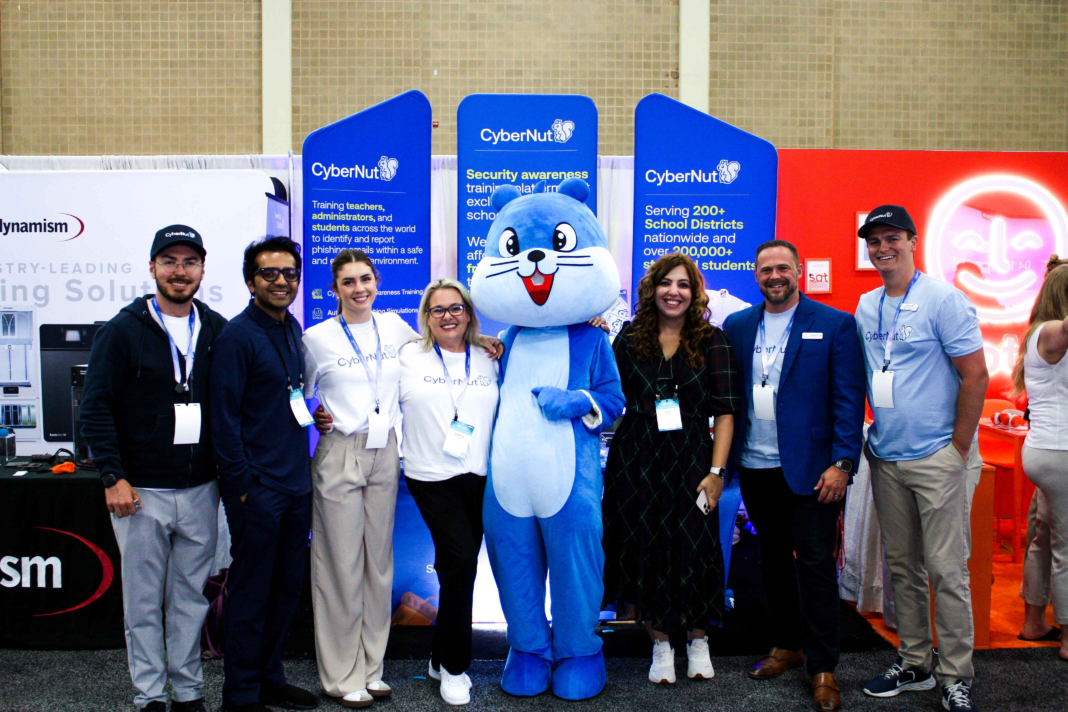
Miami-based cybersecurity startup CyberNut announced it has secured $5 million in growth capital from Growth Street Partners to expand its security awareness training platform for K-12 school districts. The investment follows the company’s May 2024 pre-seed round and includes a board seat for Growth Street as part of the deal. The funds are earmarked for product development and go-to-market efforts to scale the platform nationwide.
Who is affected
The funding is aimed at improving CyberNut’s platform used by more than 400,000 teachers, administrators, and students across over 350 U.S. school districts. These K-12 institutions face persistent phishing and social engineering threats and often lack training solutions tailored to the education environment.
Why CISOs should care
Human risk, particularly phishing and social engineering, is a leading attack vector in education, just as it is in enterprise environments. Tools designed specifically for K-12 contexts help address unique challenges like limited IT budgets, mixed user populations (students and staff), and shared network environments. Investments like CyberNut’s signal a growing market focus on specialized training solutions beyond generic corporate platforms.
3 practical actions
- Evaluate your organization’s human risk training tools to ensure they address sector-specific threats and user behaviors rather than relying solely on generic programs.
- Incorporate integrated reporting mechanisms (e.g., email client plugins) that make it easier for end users to flag suspicious activity and for security teams to respond at scale.
- Track funding and innovation trends in security awareness technology to identify emerging solutions that may offer differentiated value for unique user groups or environments.