
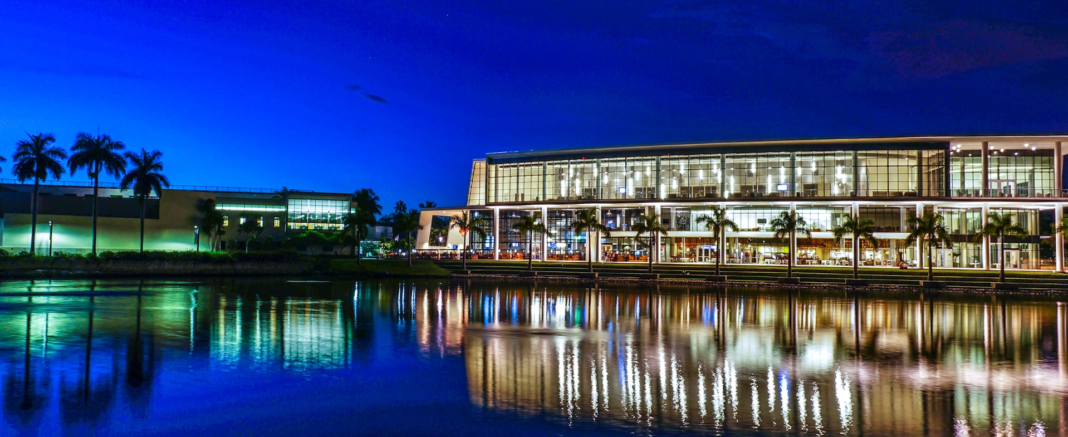
Florida’s higher education institutions operate complex digital environments that support research programs, academic platforms, healthcare systems, and large student populations. Universities and colleges must balance open academic collaboration with strong cybersecurity controls that protect sensitive data, research assets, and institutional systems. The professionals below represent cybersecurity leaders helping safeguard Florida’s colleges and universities while supporting innovation, education, and research.
Dr. Domingo Castillo — Chief Information Security Officer, Miami Dade College
Dr. Domingo Castillo serves as Chief Information Security Officer at Miami Dade College, where he leads cybersecurity governance, risk management, and enterprise security strategy across one of the largest higher education institutions in the United States.
Castillo brings more than 25 years of experience advising senior leaders and governing boards on cyber risk, compliance, and organizational resilience. His leadership focuses on building mature security programs that align with institutional missions while strengthening incident readiness, third-party risk oversight, and security performance measurement. In addition to his executive role, Castillo is an adjunct professor, industry speaker, and mentor who actively supports cybersecurity workforce development and education initiatives.
Jeff Durfee — Associate Vice President, Deputy CIO, and Chief Information Security Officer, University of North Florida
Jeff Durfee serves as Associate Vice President, Deputy CIO, and Chief Information Security Officer at the University of North Florida. With more than two decades at the institution, he has helped guide the university’s cybersecurity strategy through the rapid evolution of academic technology environments.
Durfee oversees programs that protect university networks, data systems, and research platforms while supporting faculty, student, and administrative operations. His long tenure reflects a deep understanding of higher education technology challenges, including balancing accessibility and collaboration with strong security governance.
Dave Phillips — Chief Information Security Officer, Lake-Sumter State College
Dave Phillips serves as Chief Information Security Officer at Lake-Sumter State College, where he leads the institution’s cybersecurity, privacy, and risk management programs. His role includes developing policies, managing incident response processes, and overseeing compliance with regulatory frameworks including GLBA, PCI, ISO, and NIST standards.
Phillips has played a key role in strengthening the college’s cybersecurity culture through initiatives such as the CyberSmart awareness program designed to educate faculty, staff, and students about security risks. His work also includes coordinating with the Florida Auditor General’s office, leading disaster recovery planning, and supporting technology investment decisions that improve institutional security posture.
Alex Campoe — Chief Information Security Officer, University of South Florida
Alex Campoe serves as Chief Information Security Officer at the University of South Florida, where he leads institutional cybersecurity strategy across academic, research, and administrative systems. His work focuses on governance, policy development, and aligning cybersecurity initiatives with institutional risk management.
Campoe collaborates closely with university leadership, technology teams, and compliance stakeholders to strengthen security programs and protect sensitive research and operational systems. His work includes overseeing identity controls, compliance reviews, infrastructure modernization efforts, and awareness programs that support cybersecurity workforce development across the university community.
Mauricio Angee — Assistant Vice President and Chief Information Security Officer, University of Miami
Mauricio Angee is Assistant Vice President and Chief Information Security Officer at the University of Miami, where he leads enterprise cybersecurity strategy and implementation across the university’s complex digital ecosystem.
Angee’s work focuses on proactive security governance, regulatory compliance, and risk management programs aligned with frameworks such as HIPAA, HITRUST, GLBA, FISMA, and PCI DSS. In addition to his executive leadership role, he is an active speaker, author, and educator who contributes to cybersecurity research, workforce development, and academic curriculum design.
Heather De La Cruz — Associate Director of Cybersecurity, Southeastern University
Heather De La Cruz serves as Associate Director of Cybersecurity at Southeastern University, where she supports cybersecurity operations, security analysis, and enterprise protection initiatives for the institution’s technology environment.
Before joining the university, De La Cruz worked in cybersecurity roles across the retail and travel sectors, gaining experience in security operations, threat monitoring, and incident response. Her work reflects the growing importance of cybersecurity professionals who help strengthen operational security programs within academic institutions.
Jack Trainor — Assistant Director of Information Security and Chief Information Security Officer, Florida Polytechnic University
Jack Trainor serves as Assistant Director of Information Security and Chief Information Security Officer at Florida Polytechnic University, where he oversees security architecture, risk management, and cybersecurity operations supporting the university’s technology infrastructure.
Trainor’s career spans consulting, manufacturing, and enterprise infrastructure environments before transitioning into higher education security leadership. His responsibilities include implementing enterprise security tools, developing policies and standards, managing vulnerability assessments, and collaborating with institutional leadership to strengthen overall security posture.
Protecting Academic Institutions and Research Infrastructure
Higher education institutions manage some of the most diverse and complex digital environments of any industry. From student information systems and financial platforms to advanced research infrastructure and healthcare data, universities require cybersecurity programs capable of protecting both openness and security.
The leaders featured here represent cybersecurity professionals helping Florida’s colleges and universities safeguard institutional systems, protect sensitive research, and prepare the next generation of cybersecurity talent.
To see how cybersecurity leadership shapes the companies building and securing modern digital infrastructure, explore our feature on CISOs to Watch in Florida’s Information Technology Industry.