
What happened
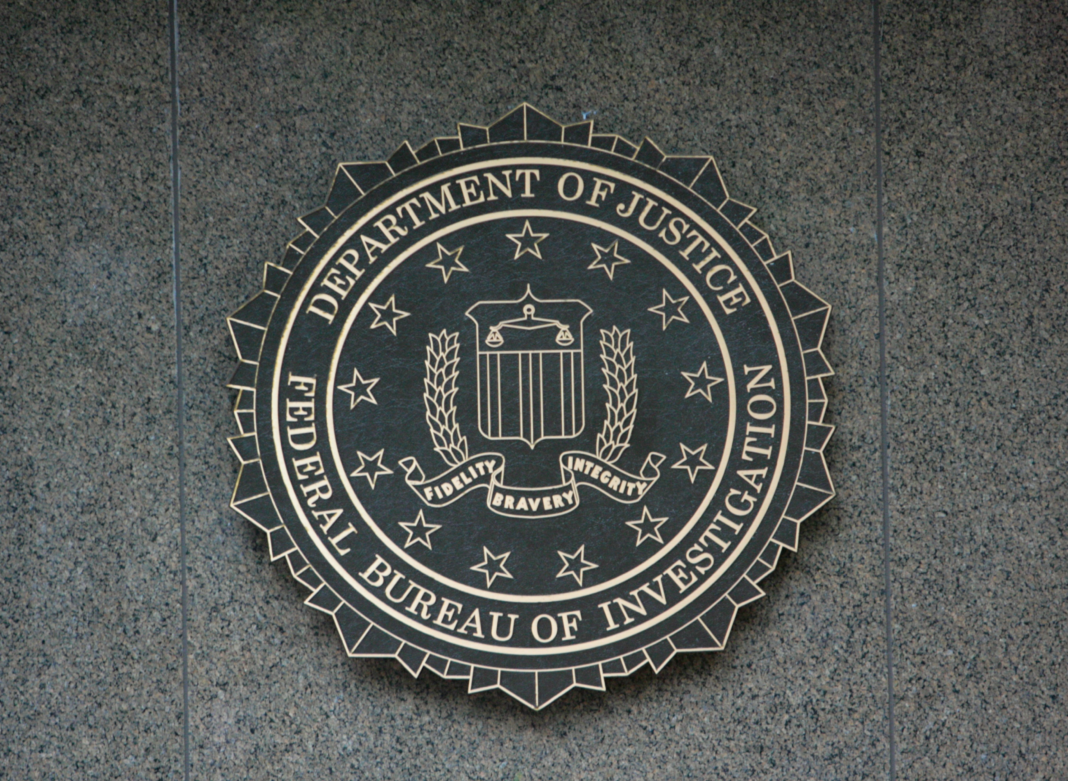
FBI seizes RAMP cybercrime forum used by ransomware gangs as U.S. authorities executed a takedown of the notorious RAMP cybercrime platform, historically used to advertise a wide range of malware, hacking services, and ransomware-related tools. Both the forum’s Tor site and its clearnet domain, ramp4u[.]io, now display seizure notices from the Federal Bureau of Investigation (FBI), signaling an operational disruption of one of the few remaining forums openly enabling ransomware actors to connect with affiliates, post services, and exchange illicit software. The action forms part of coordinated law enforcement efforts targeting infrastructure that supports cybercrime ecosystems and ransomware supply chains.
Who is affected
Ransomware affiliates, malware service vendors, and cybercrime infrastructure operators directly lose access to RAMP’s marketplace; security vendors and defenders gain insight into evolving threat ecosystems through forensic analysis of seized assets.
Why CISOs should care
Disruption of major cybercrime platforms can reduce the operational tempo and coordination opportunities for ransomware groups, but also often leads to splintering and migration to other forums, requiring vigilance in tracking infrastructure and threat actor behavior.
3 practical actions
-
Leverage takedown intelligence: Ingest seized forum data into threat intelligence platforms to refine detection of associated actors.
-
Track forum migrations: Monitor underground ecosystems for relocation of services formerly hosted on RAMP.
-
Strengthen internal defenses: Prepare for potential surge in opportunistic attacks as actors adapt to ecosystem disruption.