
What happened
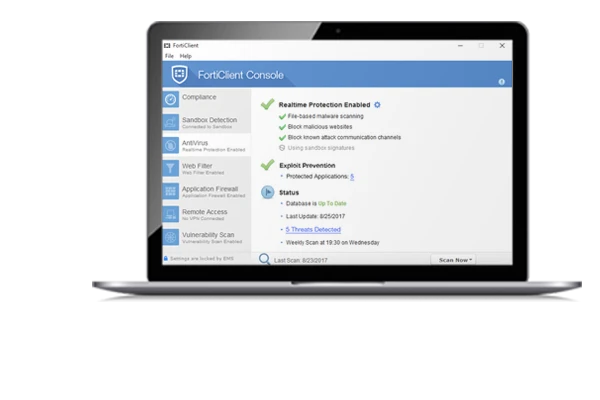
A critical remote code execution vulnerability in FortiClient EMS was disclosed that can be exploited by unauthenticated attackers to execute arbitrary code on affected systems. According to the report, the flaw exists in the FortiClient Enterprise Management Server (EMS) component, which manages endpoint configurations and security policies for Fortinet client installations. When the vulnerable EMS server is reachable from untrusted networks, specially crafted requests can trigger the flaw and allow attackers to run commands with elevated privileges on the host. The vulnerability has been assigned a high severity given its potential impact on centrally managed endpoint environments. Fortinet issued advisories and provided patches to remediate the issue, recommending that administrators update affected EMS instances to the fixed releases as soon as possible.
Who is affected
Organisations running vulnerable versions of FortiClient EMS that are exposed to untrusted networks are affected, as attackers can exploit the flaw to achieve remote code execution on server systems managing endpoint security.
Why CISOs should care
Remote code execution in a central endpoint management platform can lead to widespread compromise of connected devices and administrative control, increasing operational and security risk across an organisation’s managed endpoint fleet.
3 practical actions
- Apply the FortiClient EMS patch. Update EMS servers to the released fixed versions to mitigate the vulnerability.
- Restrict network exposure. Limit access to EMS management interfaces to trusted internal networks.
- Monitor for exploitation attempts. Review logs and alert for suspicious connections to EMS that may indicate attack activity.