
What happened
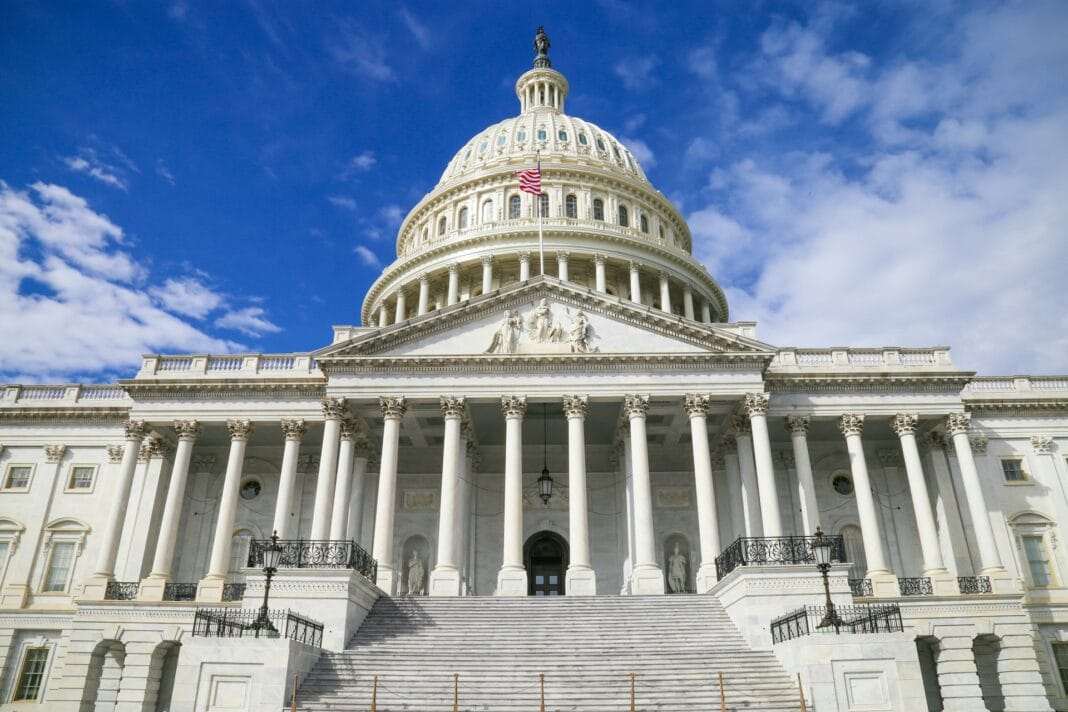
The U.S. House passed stopgap legislation on Friday to extend Section 702 of the Foreign Intelligence Surveillance Act for 10 days, after the Trump administration’s push for a longer reauthorization failed to secure enough Republican support. Section 702 allows intelligence agencies to collect communications of foreign targets without a warrant and also captures an unknown volume of personal data belonging to Americans. House Speaker Mike Johnson had attempted to bring a five-year extension with minor changes to the floor, but that effort was blocked, and a separate vote on an 18-month extension was defeated when 20 Republicans voted against it. The Senate approved the 10-day extension by voice vote later Friday, with the legislation heading to the president ahead of the April 20 deadline. Negotiations over the program’s future will continue during the extension period, with hardline conservatives seeking additional privacy protections and some form of warrant requirement. Privacy advocates in both parties had viewed the debate as the best available opportunity to add warrant requirements to the foreign wiretapping authority. Separately, the administration informed Congress last month that the intelligence court had already renewed the program for another year through March 2027, meaning NSA collection can continue even if Congress ultimately fails to pass a reauthorization.
Who is affected
The immediate legislative uncertainty affects U.S. intelligence agencies relying on Section 702 authorities for foreign intelligence collection. The broader implications extend to any organization whose communications or data may be incidentally collected under the program, as well as privacy advocates and lawmakers pushing for warrant requirements and limits on government use of commercial data brokers.
Why CISOs should care
Section 702 sits at the intersection of surveillance authority, data privacy, and cross-border data flows — all areas with direct governance implications for enterprise security programs. The unresolved debate over warrant requirements and data broker access means the legal framework governing how U.S. intelligence agencies handle incidentally collected domestic communications remains unsettled. Organizations operating under privacy frameworks that reference U.S. surveillance law, including those navigating data transfer agreements with the EU, should track how the reauthorization debate resolves over the coming days.
3 practical actions
- Monitor the reauthorization outcome closely: With negotiations continuing under a 10-day extension and a resolution due before April 30, track whether final legislation includes new warrant requirements or data broker restrictions that could affect compliance obligations.
- Review cross-border data transfer risk assessments: Organizations relying on EU-U.S. data transfer mechanisms should assess whether any changes to Section 702’s legal framework affect their current adequacy determinations or transfer impact assessments.
- Brief legal and compliance teams now: Ensure privacy counsel and compliance leadership are tracking the legislative developments in real time, given the potential for rapid changes to the statutory framework governing U.S. electronic surveillance.
For more news about cyber policy, resilience, and security operations, click Cybersecurity to read more.

John Kevin Hao is a news and feature writer covering cybersecurity, technology, and business targeted for professional audiences.