
What happened
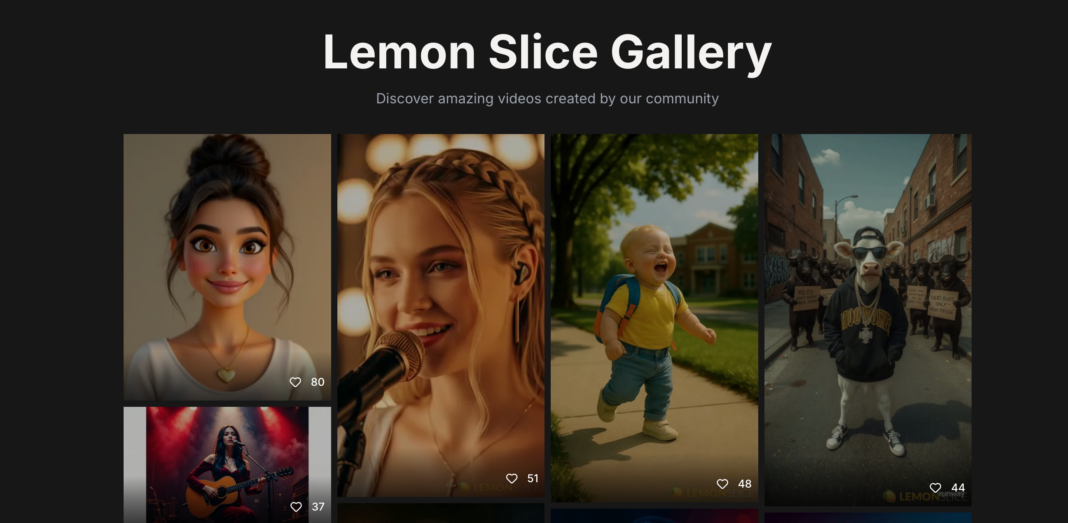
AI startup Lemon Slice has publicly launched with a $10.5 million seed financing round to support development of its real‑time interactive video avatar platform, Lemon Slice‑2. The model generates live conversational video experiences from just a single image, making it possible to give AI agents a visually expressive “face” and body in interactions.
Who is affected
This funding and product debut are most relevant to developers and companies building customer service bots, virtual assistants, and other AI‑driven interfaces that may benefit from more engaging, video‑enhanced interactions. The investment also signals interest from investors in advancing generative AI beyond text into immersive multimedia formats.
Why CISOs should care
While not a cybersecurity company, Lemon Slice’s technology has implications for security and risk management:
- More realistic AI avatars could be used in phishing, social engineering, and impersonation attacks if abused.
- Organizations should anticipate how generative video might be used in internal and external communications, requiring updated authentication and verification strategies.
- CISOs need to consider data privacy and model misuse risks as interactive AI becomes more pervasive.
3 practical actions:
- Review authentication policies for voice and video channels to guard against AI‑generated impersonation.
- Educate employees and users about the risks of deepfake avatars in email, messaging, and video calls.
- Monitor emerging AI tech to update security controls and incident response plans for interactive generative models.