
What happened
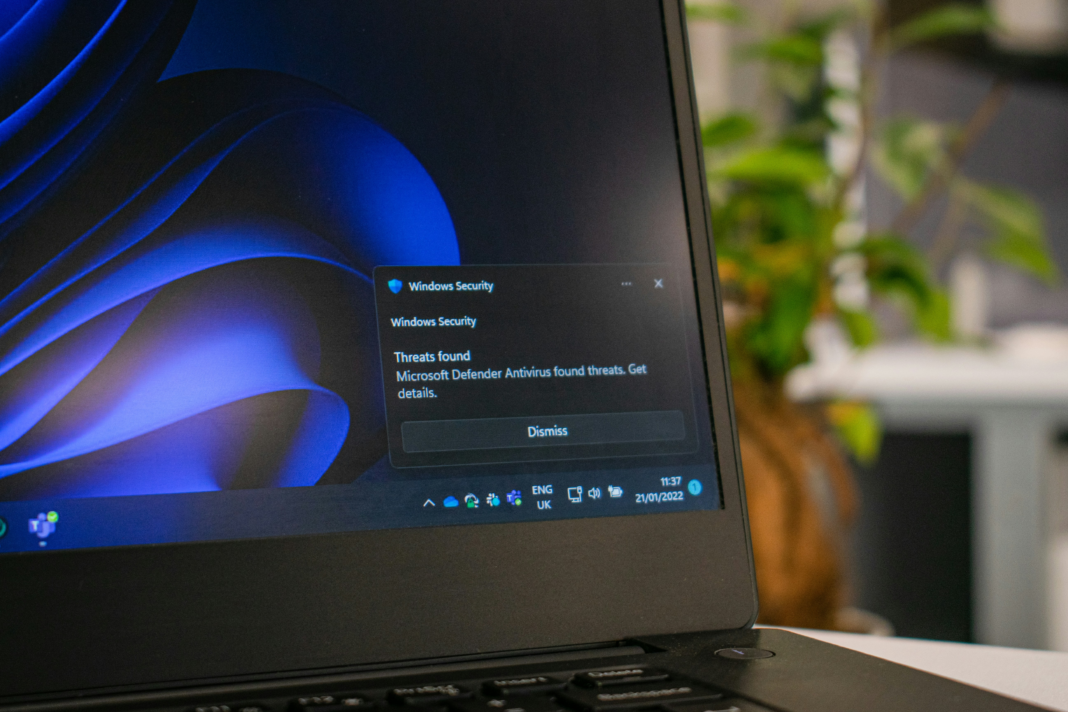
New EDRStartupHinder tool blocks antivirus and EDR services at startup on Windows 11 was released by cybersecurity researcher TwoSevenOneT, introducing a proof-of-concept tool designed to interfere with endpoint protection software during system startup. The tool targets Windows 11 25H2 environments by blocking or disabling antivirus and endpoint detection and response (EDR) services before they fully initialize. By intercepting or hindering service startup processes, EDRStartupHinder can create a window where security products like next-generation antivirus (NGAV), EDR, or extended detection and response (XDR) fail to load correctly. This evokes concerns about potential evasion techniques that could be refined by threat actors to exploit timing and initialization weaknesses in endpoint security stacks.
Who is affected
Organizations running Windows 11 25H2 with antivirus and EDR/XDR protections enabled could face potential exposure if adversaries adapt similar evasion techniques targeting endpoint security startup logic.
Why CISOs should care
Understanding emerging evasion techniques against endpoint defenses emphasizes the need for layered security, secure endpoint initialization processes, and robust detection across the attack surface beyond traditional agent execution.
3 practical actions
- Evaluate startup protections: Examine how endpoint security products initialize and identify gaps in early-boot protection.
- Layer endpoint security: Deploy complementary controls such as secure boot and kernel-level defense mechanisms.
- Monitor security research: Stay informed on emerging evasion tools and adjust detection logic accordingly.