
What happened
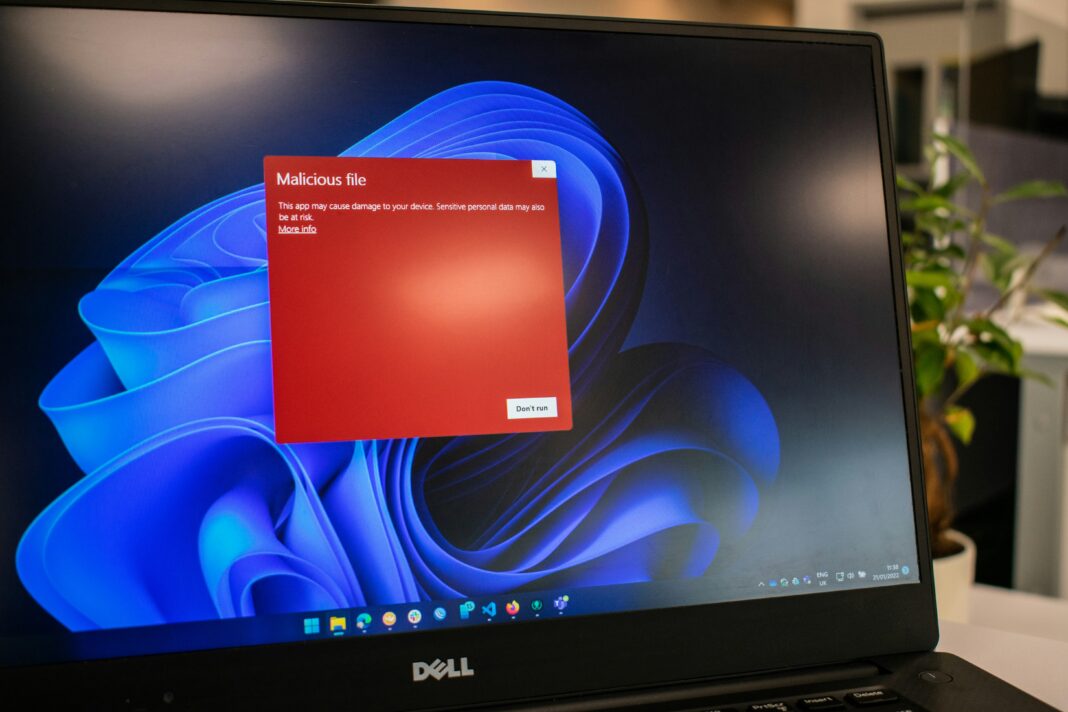
A Remcos RAT campaign is masquerading as legitimate VeraCrypt installers to steal login credentials and sensitive information. Security researchers at ASEC reported that the malware spreads via fake database lookup programs for gambling sites and deceptive VeraCrypt installers. The infection chain involves multiple obfuscated VBS and PowerShell stages, ultimately delivering the RAT, which allows full remote control over compromised systems. The malware collects keystrokes, screenshots, and browser-stored credentials, and persists through .NET-based injection and Discord-based command-and-control communications.
Who is affected
Individuals in South Korea, particularly those interacting with illegal online gambling platforms, are directly targeted. General users downloading encryption software may also be at risk.
Why CISOs should care
This campaign demonstrates how malware can disguise itself as trusted software, posing significant operational, financial, and data protection risks.
3 practical actions
- Validate software downloads: Only use official channels to obtain encryption tools and software.
- Deploy endpoint protection: Use advanced anti-malware solutions to detect multi-stage RAT infections.
- Educate users on social engineering: Warn about deceptive files and installers commonly used to distribute malware.