
What happened
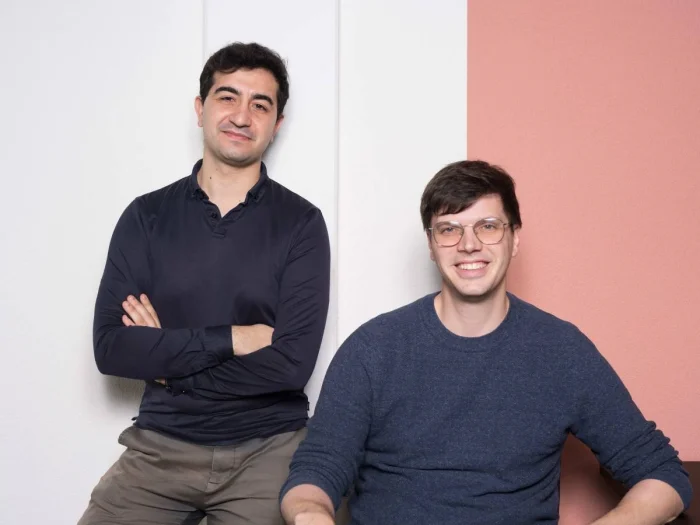
Soverli, an ETH Zurich spinoff, has secured $26 million in pre‑seed funding to develop and commercialize a new secure operating layer for smartphones. The technology is designed to operate independently of Android and iOS, providing strong isolation between corporate and personal data while giving users greater control over their device environments.
Who is affected
The funding and technology impact enterprises, mobile security teams, and smartphone users who rely on mobile platforms for both personal and professional use. Security architects and mobile device management (MDM) teams evaluating ways to secure remote and mobile workforces should take note.
Why CISOs should care
Mobile devices increasingly serve as primary endpoints for business access, yet they remain challenging to secure due to the closed nature of mainstream mobile OSes and the blurring line between personal and corporate use. Soverli’s approach could reduce risks from OS‑level compromise by adding a sovereign security layer that enforces stronger data separation and controls, potentially cutting down on attack surface and compliance concerns.
3 practical actions for CISOs
- Evaluate emerging mobile isolation technologies: Incorporate assessments of new security layers like Soverli’s into your mobile risk and architecture reviews.
- Engage with MDM/UEM vendors: Discuss how potential integrations with such sovereign layers could enhance enforcement of corporate usage policies.
- Pilot with high‑risk user groups: Consider early trials for executives or teams handling sensitive data to understand operational and security impacts.