
What happened
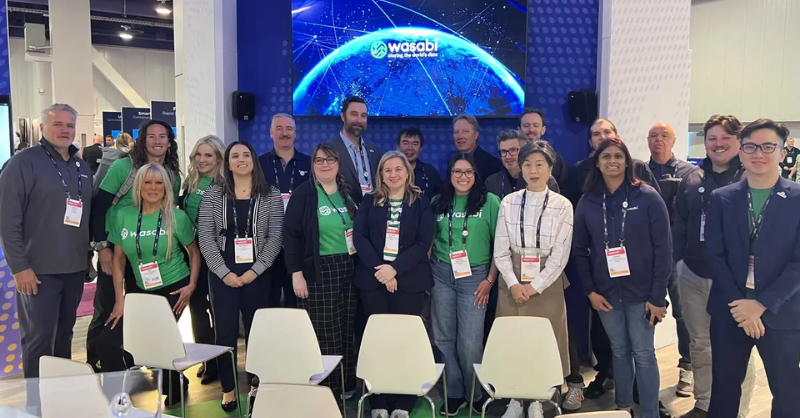
Wasabi Technologies, the “hot cloud storage” provider co‑founded by David Friend, announced a new $70 million equity funding round at a $1.8 billion valuation, led by L2 Point Management with backing from Pure Storage and existing investors like Fidelity Management & Research Company. The capital will be deployed to expand Wasabi’s AI‑optimized storage offerings and grow its global infrastructure footprint.
Who is affected
Enterprises and technology teams handling data‑intensive workloads such as generative AI, machine learning training and inference, and real‑time data pipelines are the primary audience. Organizations currently using hyperscale object storage (AWS S3, Azure, GCP) or evaluating alternatives may see Wasabi’s growth as a strategic option.
Why CISOs should care
- Data protection at scale: Wasabi’s services include features like multi‑user authorization and a patent‑pending Covert Copy tool designed to keep critical data resilient against ransomware and other attacks, relevant to long‑term storage security strategies.
- Predictable pricing models: Unlike hyperscalers that levy unpredictable egress and API costs, Wasabi offers flat pricing without hidden fees, reducing billing complexity that can sometimes mask security trade‑offs or force architectural compromises.
- AI‑driven infrastructure leverage: As enterprises embed AI into products and operations, cloud storage becomes a critical attack surface and a major cost center; alternative providers may shift risk profiles for data governance and compliance teams.
3 practical actions for CISOs
- Review storage risk models: Reassess enterprise cloud storage strategies to include newer competitors like Wasabi when mapping data movement, encryption, and retention policies.
- Benchmark security controls: Evaluate Wasabi’s security tooling (e.g., authorization layers, ransomware‑resistant features) against current provider controls and determine gaps or enhancements.
- Engage with procurement early: Given the growing role of AI workloads, coordinate with procurement and architecture teams to stress‑test storage pricing, egress constraints, and SLAs before commitments, especially where sensitive data is concerned.