What happened
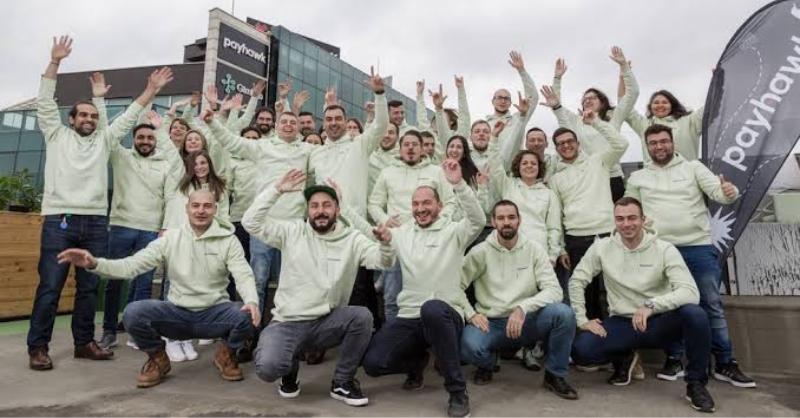
Payhawk, a Bulgaria‑headquartered AI‑powered spend management platform, is reportedly in early talks to raise over $100 million in a new funding round that could push its valuation to around $2 billion. The capital, if secured, would support the company’s European growth, deeper enterprise integrations, and further product development.
Who is affected
The potential funding impacts a broad set of stakeholders:
- Payhawk customers and finance teams using the platform for expense, payment, and procurement workflows, particularly mid‑sized and enterprise businesses operating across borders.
- Investors, including existing backers like Lightspeed Venture Partners and Greenoaks Capital, who have already supported Payhawk’s earlier growth.
- Competitors in the spend‑management and fintech AI automation space, such as Pleo, Spendesk, and Brex, as capital flows intensify competition in Europe and beyond.
Why CISOs should care
Finance platforms increasingly embed agentic AI that executes tasks autonomously, such as booking travel, processing payments, and managing purchase requests, which expands the attack surface and invites new security considerations. Ensuring secure AI integration, appropriate access controls, auditability, and compliance are crucial as finance teams relinquish repetitive processes to autonomous agents.
3 practical actions
- Review and tighten IAM policies: Ensure AI agents operate under least‑privilege access and that their actions are fully auditable.
- Integrate AI usage into risk assessments: Add AI‑driven workflows to threat models and compliance reviews to uncover hidden operational and data risks.
- Coordinate with finance leadership: Partner with CFOs and finance security champions to align on controls that balance automation gains with enterprise‑grade security.