
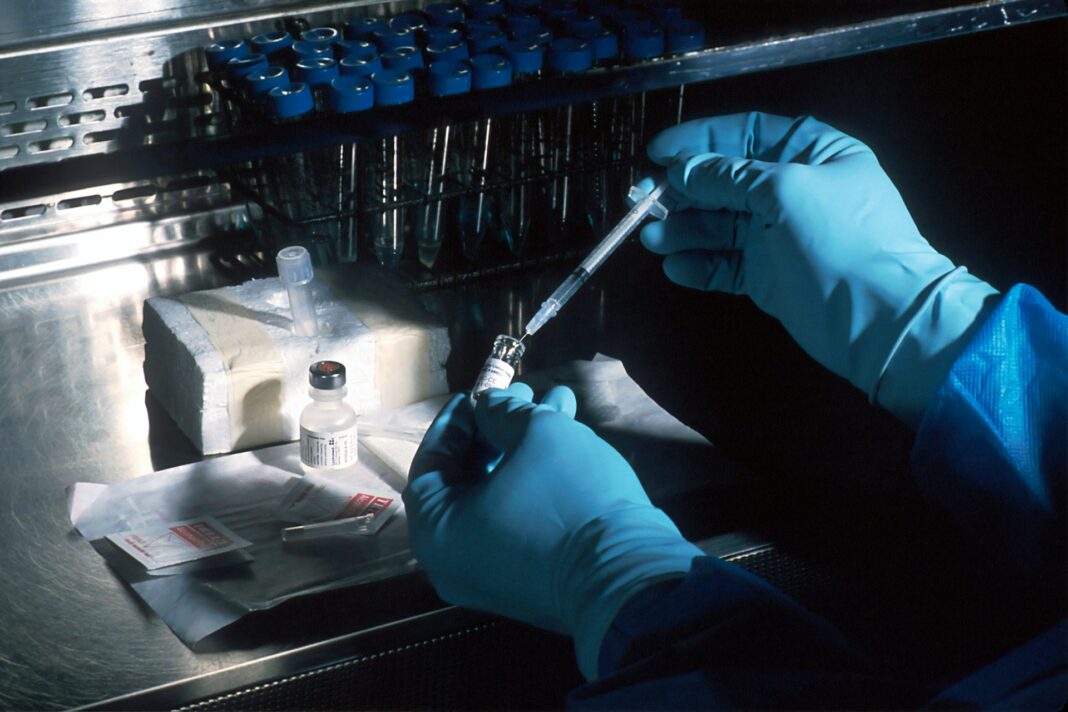
Washington’s life sciences sector depends on leaders who can secure research environments, protect sensitive health and genomic data, and support the infrastructure behind diagnostics, therapeutics, and biotech innovation. The people in this feature reflect that mix of priorities. Their backgrounds span cloud security, compliance, IT operations, cybersecurity leadership, and the practical work of building resilient systems inside research-driven and highly regulated organizations.
Terry Franklin — Senior Director, IT Security & Operations, DELFI Diagnostics
Terry Franklin serves as senior director of IT security and operations at DELFI Diagnostics, where he has combined infrastructure leadership, security program building, and cloud modernization in a fast-growing life sciences environment. At DELFI, he helped scale the company’s DevOps function, led the design and maturation of its information security management system through ISO 27001 certification, and oversaw IT operations across multiple sites. His earlier roles at Adaptive Biotechnologies, AWS, Southwest Airlines, Nokia, and Concentra add depth in cloud infrastructure, production operations, secure systems support, and enterprise resilience, giving him a profile that fits the operational and compliance demands of modern biotech.
Patrick Durham — Director of Information Security, Cancer Research And Biostatistics
Patrick Durham is director of information security at Cancer Research And Biostatistics, bringing a long track record inside organizations where research, data management, and technology operations are tightly linked. He spent more than a decade as the organization’s director of information technology before moving into the security leadership role, following earlier work there as a senior system engineer. Prior experience at Corixa Corporation, Peter Pan Seafood, and Tufts University School of Medicine adds breadth across security, network administration, and research support environments. That progression makes Durham a strong example of a leader who grew from deep technical and institutional knowledge into a formal life sciences security role.
Thomas Sheehan — Chief Information Security Officer, Fred Hutch
Thomas Sheehan serves as chief information security officer at Fred Hutch, where his background brings together healthcare security leadership, cloud risk expertise, and enterprise security operations. Before joining Fred Hutch, he was chief information security officer at TachTech and previously served as vice president and chief information security officer at Alignment Healthcare. His earlier leadership roles at Dell EMC and Amazon Web Services further strengthened his experience across cloud security, risk, compliance, and large-scale platform protection. With additional career depth in financial services and consulting, Sheehan stands out as a senior security executive well suited to the complexity of a major research and clinical institution.
David Groce — Former Head of IT, Nautilus Biotechnology
David Groce served as head of IT at Nautilus Biotechnology, with the scope of that role clearly extending well into cybersecurity leadership and execution. During his time there, he helped develop and lead the company’s overall IT and cybersecurity strategy as it moved from a private, pre-commercial organization to a publicly traded, commercial-ready enterprise. His profile highlights direct management of security incidents, authorship of company security policies, ownership of AWS-based development and production environments with related security controls, and implementation of security platforms including CrowdStrike, Rapid7, Proofpoint, GitHub Advanced Security, and identity tooling. Earlier roles at DomainTools, Tableau, EMC Isilon, and North Kitsap School District add further experience in infrastructure, operations, systems engineering, and security-adjacent leadership.
Securing the systems behind scientific progress
What stands out across this group is how closely cybersecurity in life sciences is tied to operational trust. These leaders are not only protecting systems and data. They are helping secure the research platforms, clinical workflows, cloud environments, and digital foundations that life sciences organizations rely on to move innovation forward.
Explore more profiles of the leaders shaping cybersecurity across numerous industries in our CISOs to Watch collection.

John Kevin Hao is a news and feature writer covering cybersecurity, technology, and business targeted for professional audiences.