
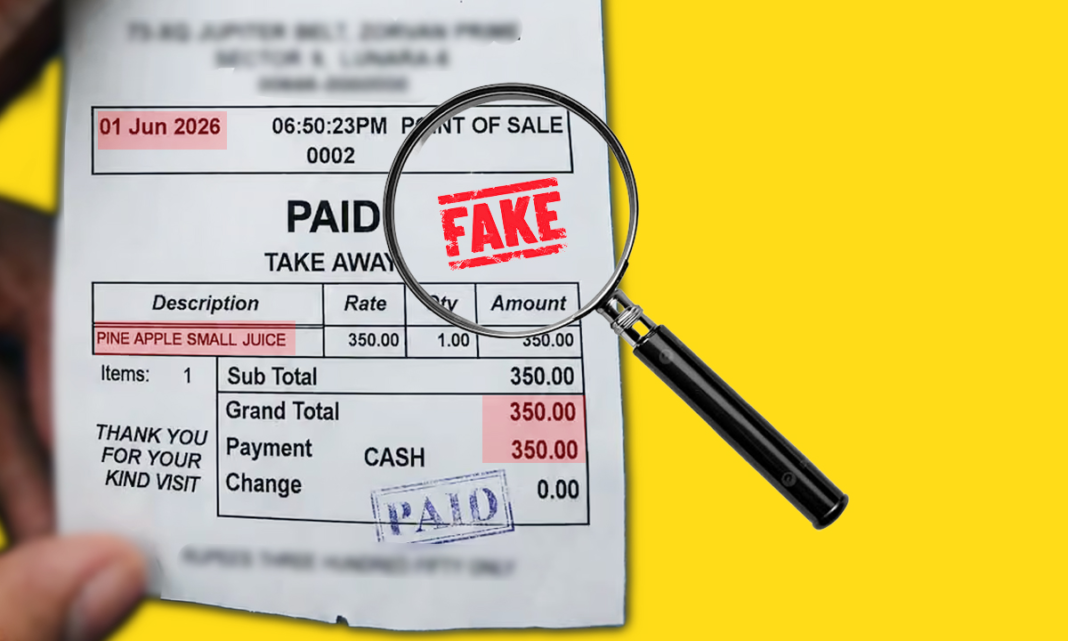
From 2024 to 2025, fraudulent returns cost retailers nearly $200 billion. Some experts believe that the increase in return (or refund) fraud is directly related to AI-generated image models creating fake evidence.
Michael Reitblat, CEO and cofounder of Forter, told Wired that AI fraud has increased as “image-generation tools have become widely accessible and incredibly easy to use… Frontline retail workers and refund review teams may not have the time to closely scrutinize each picture.”
AI has made the refund fraud process easier than ever. Criminals only have to ask an image generation software to create a fake photo of damaged merchandise or packages, and then submit it as ‘proof.’
But as AI image technology makes fraud easier, companies like TruthScan are making AI-powered fraud prevention real.
TruthScan is an enterprise-focused AI detection software designed to detect AI-generated images, videos, audio, and text. TruthScan’s current benchmarks show 99% detection accuracy.
An e-Commerce Platform With Rising Fraud Rates
One online e-commerce platform (which requested not to be named) was experiencing a sharp uptick in refund requests for online orders. Many of the refunds were granted because they were accompanied by photo evidence, which had previously indicated the request was legitimate.
But the platform noticed users initiating refund requests at an unprecedented rate across multiple geographic regions, and something seemed off.
“You’d think this would just be sophisticated scammers, but with everyone having AI on their phone, even some who aren’t your typical ‘criminal’ are using these tools to make bogus claims,” says Christian Perry, CEO of TruthScan.
According to a survey by The National Retail Federation, nearly 45% of shoppers believe it’s ok to “bend the rules” when initiating a refund request online. “So the problem is that you have nearly half of shoppers ok with breaking rules when making refund requests—but then, you have all of the intentional criminals who do this with full knowledge that they are also exploiting these systems,” says Perry. “Sometimes you’ll see things online where people are talking about ‘just use AI to get a refund,’ and people convince themselves that it’s harmless, but fraudsters are doing the same thing at scale and costing these platforms millions of dollars in losses.”
After the e-commerce platform implemented TruthScan, it began flagging thousands of requests as containing AI-generated images.
But what about legitimate requests? Luckily, legitimate requests are safe from flagging because TruthScan detects C2PA metadata and patterns that objectively show when AI was used to create the image.
Rebate Programs Shielded From Millions of Dollars Worth of Fake Receipts
Some may already be familiar with companies like Checkout51 or Coinout, which provide cashback for receipt uploads. Receipt rebates work by paying you for your buying data shown on your receipts. The problem is that AI image generators can create convincing fake ones.
TruthScan says it recently partnered with a retail rebate program to analyze what users were submitting. They found over $2 million in fraudulent receipts submitted in just the last month.
Rebate programs aren’t the only target for fraudsters, though. “We believe that expense reimbursement software is vulnerable to these attacks right now too,” says Perry. He explains that bad actors can generate fake expense receipts to get reimbursed for company purchases that never happened.
TruthScan says that to identify fake receipts, fraud investigators are using its AI image detector and its newly released fake PDF detector.
How TruthScan Works
TruthScan analyzes media file data and visual patterns to spot AI-generated content. It uses a multi-stage analysis pipeline that combines primary classification, secondary analysis of edits, watermark and provenance checks, pixel-level heatmaps, and metadata examination to determine whether an image is AI-generated or real.
But what if someone changes the metadata? “TruthScan is constantly being fed AI-generated videos, images, and documents from various AI models, so that the system is continuously learning what patterns are present in them,” Says Perry. Because TruthScan is always learning, it can detect AI patterns as soon as models are updated.
AI-Enabled Fraud Is On the Rise
More criminals are adopting AI to commit crimes every day. Even well-meaning citizens may be “bending the rules” and using AI to unknowingly commit fraud. Either way, the downstream byproduct of AI-generated media is costing retailers and online platforms millions of dollars. If not corrected, it could be billions.
TruthScan researchers say that AI-generated receipts are only one facet of AI fraud, but the company is confident that it can help stop it.

John Kevin Hao is a news and feature writer covering cybersecurity, technology, and business targeted for professional audiences.